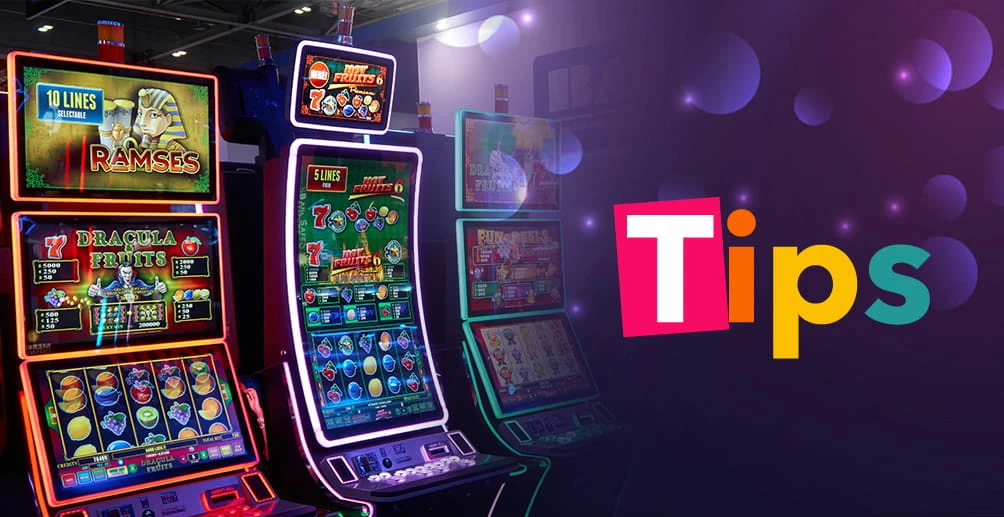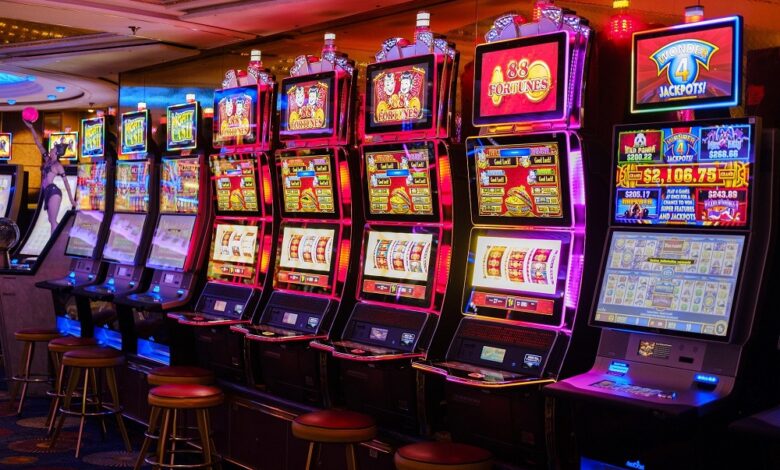
Slot machines generate the vast majority of gaming revenue for modern casinos, often accounting for seventy to eighty percent of total gaming floor earnings. Behind the flashing lights, high-definition curved displays, and synchronized audio tracks lies a sophisticated multi-billion-dollar global industry. Developing, licensing, distributing, and operating successful slot machine franchises requires a complex blend of advanced mathematics, intellectual property acquisition, specialized hardware engineering, and strict regulatory compliance.
Understanding the business mechanics behind slot machine franchises reveals how game studios and hardware manufacturers create enduring brands that captivate players across physical casino floors and digital gaming environments alike.
Intellectual Property and Intellectual Brand Acquisition
One of the primary drivers of slot machine franchise growth is the strategic deployment of recognized intellectual property. While original proprietary themes remain common, branded slot franchises leverage established media properties to attract immediate player attention on crowded casino floors.
Pop Culture Licensing Deals
Slot manufacturers enter into licensing agreements with Hollywood studios, television networks, music estates, and video game publishers to adapt popular media into casino gaming titles. Iconic franchises such as Wheel of Fortune, Buffalo, Dancing Drums, and PopStar brands demonstrate how familiar imagery, recognizable sound bytes, and thematic bonus rounds lower the barrier to player engagement.
-
Upfront Guarantees and Royalty Models: Licensing intellectual property involves financial structuring, typically combining non-refundable upfront cash guarantees with ongoing percentage royalty fees based on coin-in volume or machine lease rates.
-
Asset Integration: Studios gain access to high-resolution video clips, original voiceover tracks, and character art, which software engineers weave directly into reel animations and bonus game triggers.
-
Brand Synergy: Media licensors benefit from continuous, long-term brand exposure across millions of casino visitors, while slot manufacturers gain instant floor visibility that standalone original themes often take years to cultivate.
Proprietary Franchise World-Building
Rather than relying exclusively on external media licenses, major manufacturers invest heavily in developing native internal intellectual property. Creating original, long-running franchises allows studios to retain one hundred percent of game revenues without paying external licensing royalties. Successful original brands build player loyalty through recurring characters, signature sound triggers, and recognizable mathematical mechanics that span across dozens of sequential sequel titles.
The Mathematics of Player Retention: Volatility and Hit Frequency
At the core of every slot machine franchise is a proprietary mathematical model designed by game mathematicians and software engineers. The math dictates the financial return for the casino while carefully pacing the player experience to maximize session length and retention.
Balancing Volatility Profiles
Slot machine franchises tailor their mathematical models to target distinct player demographics:
-
Low Volatility Models: Designed for casual or entertainment-focused players, low volatility machines offer high hit frequencies with small, steady payouts. These games extend total time-on-device, providing prolonged entertainment value per dollar spent.
-
High Volatility Models: Geared toward seasoned gamblers, high volatility titles feature lower overall hit frequencies but offer substantial jackpot ceilings and explosive bonus multipliers. The psychological thrill of chasing massive payouts keeps players returning to these cabinets.
The Psychology of Losses Disguised as Wins
A critical design element in modern multi-line video slots is the concept of losses disguised as wins. When a player wagers two dollars on a spin and wins back fifty cents, the machine celebrates the outcome with triumphant audio cues, dynamic visual animations, and lighting effects identical to a major jackpot event. This triggers a positive neurochemical response in the player, masking the net financial loss and sustaining gameplay momentum.
Hardware Innovation and Cabinet Economics
A successful slot franchise requires more than engaging software; it demands cutting-edge hardware design. Hardware manufacturers invest heavily in research and development to build ergonomic, high-impact machine cabinets that stand out on physical casino floors.
Cabinet Anatomy and Technological Features
Modern slot cabinets are engineering marvels designed to deliver immersive sensory experiences:
-
Curved High-Definition Displays: Large 4K ultra-high-definition screens wrap around the player’s field of vision, maximizing graphic impact and game immersion.
-
Integrated Sound Chairs: High-performance speakers embedded directly into headrests deliver localized, directional audio and tactile bass vibrations synchronized with game events.
-
Dynamic Button Decks: High-resolution digital touch panels replace traditional mechanical buttons, allowing the user interface to change layout dynamically during specialized bonus rounds.
-
Top Boxes and Signage: Towering display tops and interconnected LED signage banks draw attention across the casino floor, showcasing real-time progressive jackpot totals to passersby.
Business Models: Direct Sales versus Participation Leases
Hardware manufacturers distribute slot machines to casino operators using two primary business models:
-
Direct Outright Sale: The casino purchases the physical machine cabinet and software license upfront for a fixed capital fee, typically ranging from fifteen thousand to thirty thousand dollars per unit. The casino retains all net win revenues generated by the machine, paying minor ongoing fees for routine maintenance or software updates.
-
Participation and Lease Agreements: For premium branded franchises or massive wide-area progressive machines, manufacturers refuse to sell units outright. Instead, they lease machines under revenue-sharing participation agreements. The manufacturer places the hardware on the casino floor for free or a nominal fee in exchange for a fixed percentage (often fifteen to twenty-five percent) of the daily net win generated by the cabinet.
Omnichannel Distribution: From Land-Based Floors to Digital Screens
The modern slot machine industry operates across an omnichannel distribution pipeline. A successful franchise no longer remains confined to physical casino floors in Las Vegas, Macau, or Atlantic City; it expands rapidly across online casinos, mobile social apps, and regulated digital markets globally.
Cross-Platform Software Adaptation
Converting a physical slot cabinet title into a digital asset requires adapting the core software engine using modern web frameworks like HTML5 and WebGL. This enables responsive rendering across desktop browsers, smartphones, and tablet computers.
Importantly, manufacturers preserve the exact mathematical parameters, Return to Player ratios, audio tracks, and visual assets across both physical and digital releases. A player who enjoys a specific slot franchise in a brick-and-mortar casino can immediately recognize and play the exact same title on their mobile device at home.
Social Gaming and Free-to-Play Monetization
Slot machine franchises also generate substantial revenue within the non-gambling, free-to-play social casino market. Mobile social casino applications allow users to play digital slot machines using virtual currency without real-money wagering.
Monetization relies on microtransactions, where players purchase additional virtual coin packages, VIP status passes, and cosmetic upgrades using real currency once their daily free coin allowances run out. Social gaming platforms serve as powerful marketing funnels, introducing global consumer audiences to physical slot franchises before those players ever step foot inside a physical casino.
Regulatory Oversight and Market Entry Barriers
The slot machine manufacturing and operational business is among the most strictly regulated commercial industries worldwide. Entering the market requires navigating dense legal frameworks, anti-money laundering mandates, and technical certification standards across multiple jurisdictions.
-
Jurisdictional Licensing: Hardware and software developers must obtain corporate vendor licenses from every individual gaming jurisdiction where they intend to sell or lease machines. Regulatory bodies evaluate corporate executive backgrounds, financial solvency, and ownership structures thoroughly prior to granting market access.
-
Independent Technical Laboratory Certification: Every game build, random number generator, and cabinet hardware design must undergo testing by independent testing laboratories like eCOGRA, GLI, and BMM Testlabs. Auditors inspect source code to verify that math models are unalterable and mathematically fair.
-
Central Determination and Server-Based Gaming: Modern regulatory compliance often requires slot cabinets to connect directly to centralized government monitoring systems or casino-wide central servers, allowing regulators to audit real-time revenue reporting, tax liabilities, and Return to Player compliance remotely.
Frequently Asked Questions
What is the difference between a wide-area progressive and a local progressive slot machine?
A local progressive slot machine accumulates its jackpot pool exclusively from wagers placed on a single machine or a small bank of connected cabinets inside one specific casino. A wide-area progressive links hundreds or thousands of slot machines across multiple distinct casino properties across an entire state or nation, pooling wagers together to build multi-million-dollar jackpot prizes.
Why do casinos prefer leasing premium slot machines rather than buying them outright?
Casinos lease premium, high-performing slot machine franchises under revenue-sharing agreements because manufacturers refuse to sell those top-tier titles outright. Leasing allows casinos to place high-demand, high-revenue machines on their floors with minimal upfront capital expenditure while benefiting from the massive foot traffic those popular brands attract.
How do slot machine manufacturers prevent players from predicting game outcomes?
Slot machines rely on certified Hardware and Pseudo-Random Number Generators that continuously calculate mathematical values at thousands of numbers per second, even when the machine is idle. The exact millisecond a player presses the spin button, the system registers the current random value to determine the reel outcome, making previous outcomes and physical timing irrelevant.
How long does it take to develop a new slot machine title from concept to casino deployment?
Developing a new slot machine title typically takes anywhere from twelve to eighteen months. The process involves mathematical modeling, visual theme artwork, sound engineering, software coding, physical cabinet manufacturing, extensive internal testing, and mandatory third-party regulatory certification testing.
What is the average lifespan of a slot machine title on a casino floor?
The average lifespan of a standard slot machine title ranges from six months to two years. If a title fails to generate target daily win benchmarks, the casino will replace its software or trade out the cabinet. However, elite mega-franchises can maintain top performance benchmarks on casino floors for decades through continuous sequel updates and cabinet redesigns.
How do digital slot platforms ensure game fairness across mobile devices?
Digital slot games run their core mathematical engines and random number generators on secure remote game servers rather than locally on the user’s mobile device. The mobile screen merely acts as a display terminal rendering visual results sent securely over encrypted connections from audited server infrastructure.