Blackjack Mastery: The Enduring Allure and Strategic Depth of the World’s Favorite Card Game

Introduction: A Timeless Game of Skill, Chance, and Intuition
Blackjack stands as one of the most iconic and enduring games in the world of gambling. Elegant in its simplicity yet profound in its strategic depth, it has captivated players for generations. From smoky Las Vegas tables to sleek online casinos, blackjack’s universal appeal lies in its unique blend of luck, mathematics, and psychological warfare. Unlike many other casino games, where the house holds a clear statistical edge, blackjack offers informed players a genuine opportunity to tip the odds in their favor. This article explores the rich history, rules, strategies, and cultural legacy of blackjack—offering insight into why it remains a perennial favorite among both novices and seasoned gamblers.
The Origins of Blackjack: From French Courts to American Casinos
Blackjack’s roots can be traced back to 17th-century France, where a game called “Vingt-et-Un” (Twenty-One) was popular in aristocratic circles. The objective—reaching a card total of 21 without exceeding it—mirrors the central premise of modern blackjack. The game crossed the Atlantic with European colonists and evolved in American saloons and riverboats during the 1800s. The term “blackjack” originated as part of a promotional gimmick in U.S. casinos, where players were rewarded with a bonus payout if they held the ace of spades and a black jack (either the jack of spades or clubs). While the bonus eventually disappeared, the name stuck and the game’s popularity soared.
Understanding the Basics: Rules and Objectives
At its core, blackjack is a game played between a player and the dealer. The goal is straightforward: beat the dealer’s hand without exceeding a total of 21. Despite its simplicity, every hand presents countless decision-making opportunities, making each round an exercise in strategy and nerve.
Key elements of the game include:
-
Card Values: Numbered cards retain their face value; face cards (King, Queen, Jack) are worth 10; and Aces can be either 1 or 11, depending on which value is more advantageous to the hand.
-
Initial Deal: Each player is dealt two cards, face up, while the dealer receives one card face up and one face down (the “hole card”).
-
Player Options: On their turn, players may “hit” (take another card), “stand” (keep their current hand), “double down” (double the bet and receive one final card), or “split” (if dealt a pair, the hand can be split into two separate hands).
-
Dealer Rules: Dealers must hit until they reach at least 17 and stand on 17 or higher, depending on house rules.
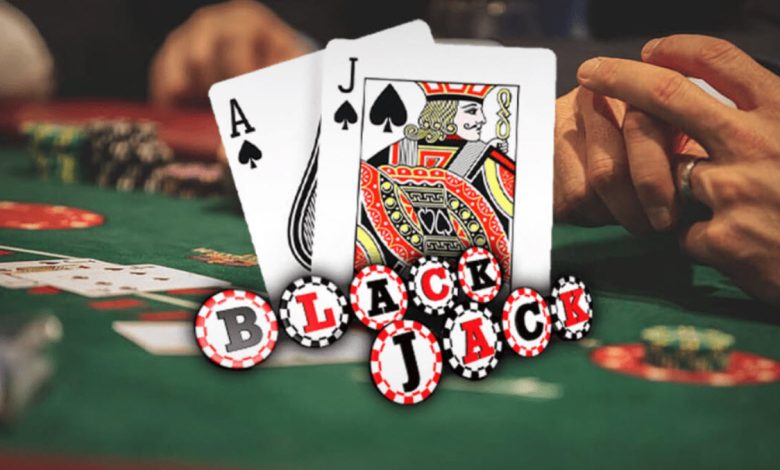
A winning hand either totals higher than the dealer’s without exceeding 21 or is a natural blackjack (an ace and a ten-value card) that beats any other combination.
Strategic Play: Beyond Luck and Into the Mind
While many casino games are governed solely by chance, blackjack offers players a statistically provable path to optimal play. Basic strategy—a mathematical chart dictating the best possible move for every hand combination—serves as the foundation of successful blackjack play.
Strategic essentials include:
-
Basic Strategy Charts: These offer guidelines for hitting, standing, doubling, or splitting, based on the player’s hand and the dealer’s visible card.
-
Card Counting: Made famous by the MIT Blackjack Team and pop culture films, card counting involves tracking high and low cards to assess the remaining deck’s composition. When done correctly (and discreetly), it can provide the player with a slight edge.
-
Bankroll Management: Successful blackjack players know that discipline is key. Setting win/loss limits and managing bet sizes ensures sustainability over the long run.
-
Avoiding Side Bets: Many blackjack tables now offer side bets like “Perfect Pairs” or “21+3.” While tempting, these usually carry a higher house edge and are best avoided by those seeking strategic play.
The Psychology of Blackjack: Reading the Table, Reading Yourself
Beyond numbers and probability lies the psychological element of blackjack. Reading the dealer’s behavior, managing personal emotions, and understanding the flow of the game are vital components of successful play. Casinos are designed to be sensory-overloading environments, with distractions ranging from music to flashing lights. The seasoned blackjack player learns to tune out the noise and focus on calculated decision-making. Emotional control is also essential. Many players succumb to “tilt” after a string of losses, leading to poor choices and erratic betting. Mastery of one’s mindset often proves as important as mastery of the rules.
Online Blackjack: The Digital Renaissance
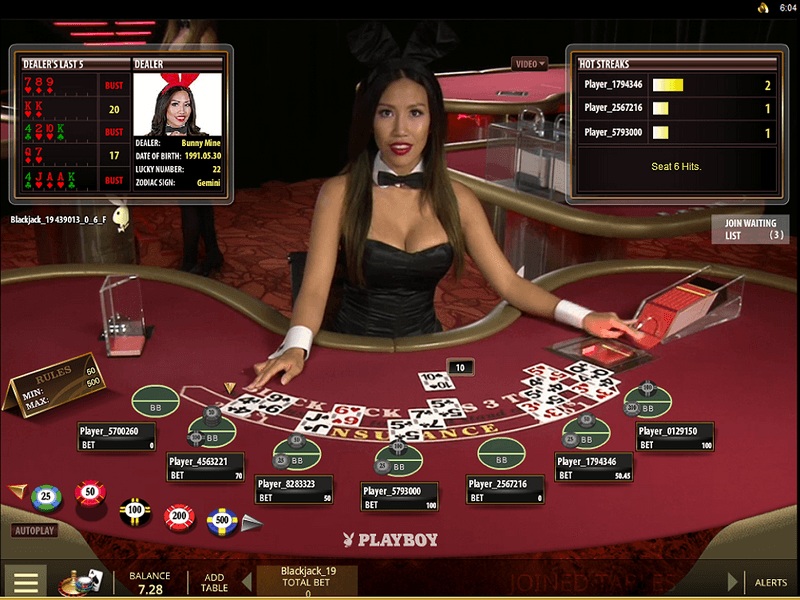
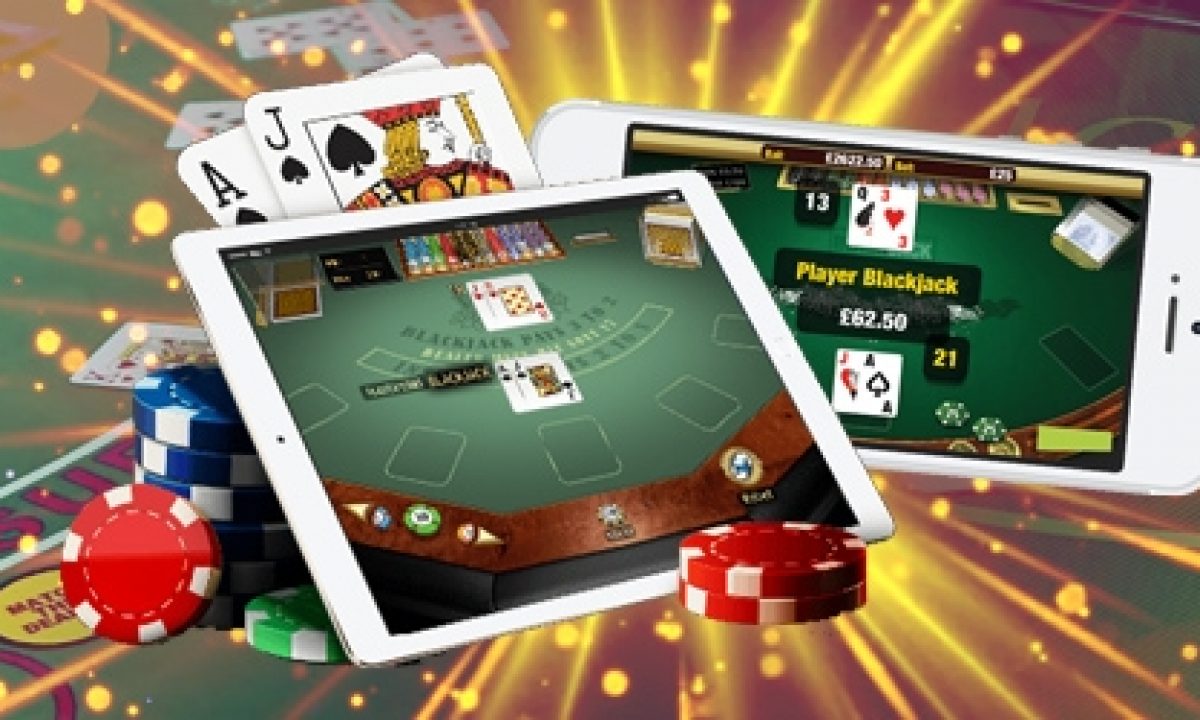
The digital age has breathed new life into blackjack. Online platforms now offer a wide range of variations, including classic blackjack, multi-hand versions, and live dealer formats that bring the atmosphere of a physical casino into one’s home.
Benefits of online play include:
-
Accessibility: Available 24/7 on desktops and mobile devices.
-
Customization: Players can adjust speed, limits, and even background music to suit personal preferences.
-
Live Dealer Interaction: Streaming technology enables real-time interaction with professional dealers, recreating the casino experience with convenience and privacy.
-
Practice Opportunities: Many platforms offer free-to-play tables, ideal for learning strategy without financial risk.
Despite its advantages, online blackjack also requires discipline. The ease of access can make it tempting to chase losses or play for extended periods. Responsible gaming remains paramount.
Blackjack in Pop Culture: More Than Just a Game
Few casino games have been as prominently featured in pop culture as blackjack. Films like 21, Rain Man, and The Hangover portray the excitement, tension, and brilliance often associated with the game. Blackjack’s dramatic potential stems from its reliance on individual decision-making and the razor-thin line between triumph and failure. It is not just about winning money; it’s about outthinking the odds, the dealer, and sometimes even oneself.
Ethical Play and Responsible Gaming
While blackjack offers a fairer chance than many other casino games, it is not immune to misuse. Responsible play involves setting realistic expectations, avoiding intoxicated gambling, and recognizing the signs of compulsive behavior. Many casinos—both physical and digital—offer support tools such as self-exclusion programs, deposit limits, and access to counseling services. True mastery of blackjack includes knowing when to walk away and treating the game as a form of entertainment, not a financial strategy.
Conclusion: The Enduring Charm of a Classic Card Game
Blackjack is more than a game—it’s a discipline, a cultural touchstone, and a thrilling dance between skill and fortune. Its enduring popularity lies in its unique ability to empower players through strategy, offering a rare sense of control within the unpredictable world of gambling. Whether you’re a first-time player learning basic rules or a seasoned strategist refining your edge, blackjack provides a gaming experience that is intellectually stimulating, emotionally engaging, and endlessly entertaining. As long as cards are dealt and wagers placed, the quiet tension and electric anticipation of blackjack will continue to enchant players around the globe.