Bingo Reimagined: The Cultural Journey and Modern Revival of a Timeless Game

Introduction: A Game Rooted in Tradition, Reinvented for Today
Bingo is more than a game of numbered balls and marked cards—it’s a social ritual, a nostalgic pastime, and in recent years, a digital phenomenon. What was once considered a quiet activity for senior citizens in community halls has now taken center stage in bars, mobile apps, and even online gaming communities worldwide. The enduring appeal of bingo lies in its simplicity, inclusivity, and the thrill of anticipation. This article delves into the rich history, cultural significance, and contemporary evolution of bingo, offering a refined look at how a game built on luck has become a global pastime of enduring charm.
The Origins of Bingo: From Italy to the World
The roots of bingo can be traced back to 16th-century Italy, where a game known as “Il Gioco del Lotto d’Italia” was played as part of the national lottery. It later spread to France, morphing into “Le Lotto,” a favorite among the aristocracy. By the 18th century, it had made its way to Germany, where it was adopted as an educational tool for teaching children numbers and spelling. The version familiar to modern audiences emerged in the United States during the 1920s. Edwin S. Lowe, a New York toy salesman, observed the game at a carnival in Georgia, known then as “Beano.” Enthralled by its potential, he modified it and began mass-producing cards under the name “Bingo”—a name supposedly coined after an excited player accidentally shouted it during a win.
Structure and Gameplay: The Beauty of Simplicity
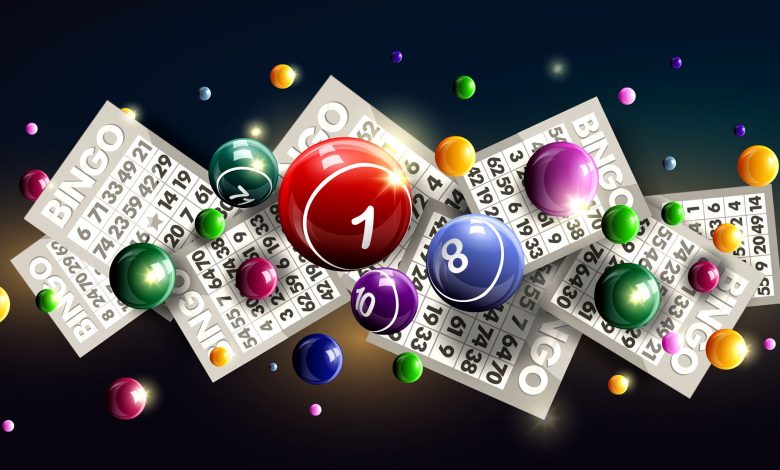
Bingo’s lasting appeal lies in its straightforward mechanics. Players receive cards with a grid of numbers arranged in columns under the letters B-I-N-G-O. As numbers are randomly drawn and called out, players mark them on their cards. The objective is to complete a specific pattern—usually a straight line, diagonal, or full card—before anyone else.
Key elements of the game include:
-
Random Number Draw: Ensures fairness and unpredictability.
-
Pattern Variety: Keeps the gameplay fresh, with designs ranging from simple lines to intricate shapes.
-
Caller’s Role: Traditionally a lively figure who announces numbers with flair, adding entertainment value.
-
Prizes and Incentives: Ranging from modest tokens to substantial cash rewards, depending on the venue.
Whether played for fun or stakes, the core of bingo remains unchanged: it’s a communal event that thrives on shared anticipation and joyful outbursts.
Bingo as a Social Phenomenon
Historically, bingo has played a vital role in community building. In mid-20th century America and the UK, it became a popular fundraising tool for churches, schools, and charitable organizations. Community centers would host weekly bingo nights, offering a safe and welcoming environment for people of all ages to gather and socialize. Particularly for older adults, bingo served as a vital social outlet, helping to combat isolation and foster connection. In many cases, the game provided more than entertainment—it created a sense of belonging.
The Digital Transformation: From Hall to Handheld
As digital technologies advanced, so too did the bingo experience. The early 2000s saw a surge in online bingo platforms, which reimagined the traditional game for the internet age. These platforms allowed players to join virtual rooms, compete in real-time, and even chat with others via text features—preserving the social aspect that defines bingo.
Modern adaptations include:
-
Mobile Bingo Apps: Designed for both casual and dedicated players, offering themed rooms, bonus features, and global tournaments.
-
Live Streaming Games: Real-time games hosted by charismatic presenters, combining elements of game shows and traditional bingo.
-
Hybrid Bingo Events: Popular in urban nightlife scenes, these events blend bingo with music, comedy, and performance, appealing to younger audiences.
This transformation has not only expanded bingo’s audience but also made it accessible to individuals who may never have stepped into a traditional hall.
Bingo’s Cultural Renaissance: Why It’s Trending Again
Bingo is currently enjoying a resurgence, and for good reason. As society craves low-stakes entertainment that offers connection without complication, bingo delivers. It’s easy to learn, doesn’t require physical prowess, and allows for social interaction at one’s own pace. In an era defined by overstimulation and competitive intensity, bingo offers a rare form of relaxed engagement.
Reasons for its modern appeal include:
-
Nostalgia: Many associate bingo with fond childhood memories or beloved grandparents, making it emotionally resonant.
-
Inclusivity: The game welcomes people of all ages, abilities, and backgrounds.
-
Customization: Themed bingo nights, whether based on movies, pop culture, or holidays, keep the format fresh and exciting.
-
Social Connectivity: Whether online or in person, bingo brings people together in meaningful, light-hearted ways.
Responsible Gaming and Ethical Considerations
As with any game involving prizes or stakes, responsible play is crucial. While bingo has a relatively low risk for addiction compared to other gambling forms, some individuals may still engage compulsively. Many platforms and organizers now incorporate responsible gaming tools and guidelines, including:
-
Spending Limits: To help users maintain control over their gameplay.
-
Self-Exclusion Options: Allowing players to take breaks when needed.
-
Community Moderation: Ensuring chat rooms and online spaces remain respectful and supportive.
It’s also worth noting the positive social and charitable contributions of bingo. Many organizations continue to use bingo as a tool for fundraising and community engagement, reinforcing its potential as a force for good.
Conclusion: A Game That Grows With Its Players
Bingo has proven itself to be far more than a relic of the past. Its ability to evolve—while preserving its soul—speaks to the game’s enduring appeal and cultural significance. Whether played in a church hall, a glitzy casino, or through a mobile app on a quiet evening at home, bingo offers players a rare combination of simplicity, excitement, and camaraderie. As the world grows increasingly complex, the timeless charm of shouting “Bingo!” still manages to cut through the noise, reminding us of the joy found in connection, luck, and community.